



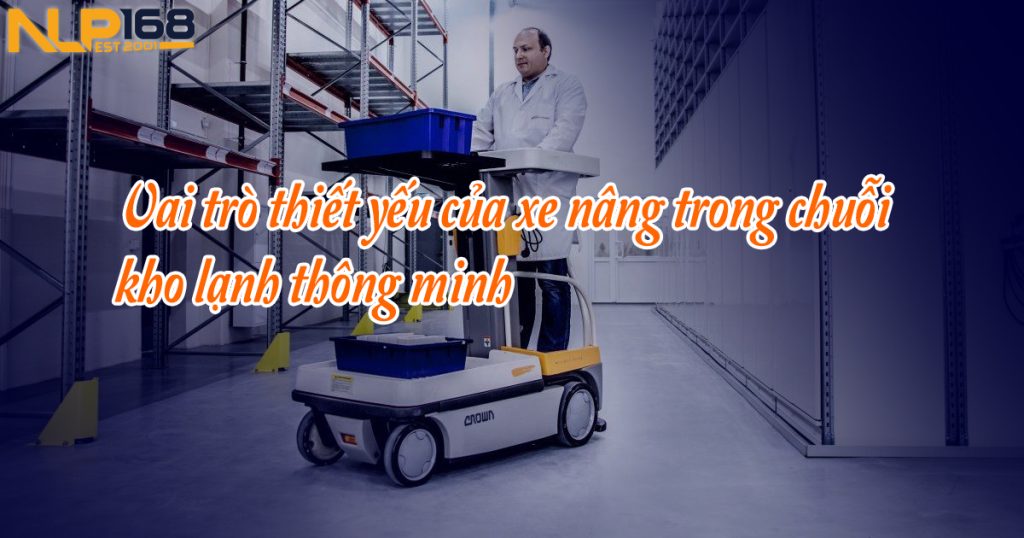
Forklifts in Cold Storage
Forklifts play an essential role in cold storage facilities preserving food, pharmaceuticals, seafood, and more, by enabling the rapid movement of heavy equipment in and out of refrigerated areas.
Because low temperatures can affect conventional machinery, cold storage forklifts are designed with special features to operate effectively in low-temperature conditions. For example, they utilize cold-resistant lubricants to ensure smooth and efficient movement in freezing environments. Furthermore, sealed electronic systems prevent damage from humidity, while the operator’s cabin is often heated for rest breaks. These forklifts also feature better traction on icy floors and anti-slip tires for insulation, protecting the internal systems. Additionally, the battery performance is engineered to maintain long operation times in cold settings. By using the appropriate equipment, companies can minimize handling errors and save time during storage processes.
Did you know that a significant portion of the world’s food and medicine spoils simply because it was not stored at the correct temperature? Even a slight temperature change can ruin vaccines, milk, or even fresh fruit before they reach the shelves.
This is why cold chain logistics are crucial. Supply chain management ensures the safe transportation of temperature-sensitive goods, like food and medicine, from one location to another.
Many companies transport temperature-sensitive products over long distances, and keeping them safe and sanitary presents a significant challenge.
In this article, we will explain how forklifts play a vital role in ensuring cold storage operations run smoothly and cost-effectively.
Characteristics of Cold Storage Forklifts
- Cold-Resistant Materials: Components such as gaskets, seals, wiring, and lubricants are made from cold-resistant materials that will not become brittle or crack at low temperatures.
- Sealed Electrical System: Ensures no condensation or moisture builds up, which could cause short circuits.
- Special Batteries/Accumulators: If it is an electric forklift, the battery must withstand low temperatures without rapid performance degradation.
- Enclosed Cabin (Optional): Some cold storage forklifts feature enclosed, heated cabins to protect the operator from extreme cold.
- Anti-Slip: Tires are usually specialized, designed to prevent slipping on cold storage floors.
Types of Forklifts Used in Cold Storage
- Hand Pallet Trucks: Used for moving pallets in small cold stores; they are cost-effective and easy to maintain.
- Electric Stand-up/Sit-down Forklifts: The most common type in large cold storage facilities; they operate quietly and produce no toxic emissions.
- Reach Trucks: Specifically designed for cold stores with high racking and narrow aisles.
- Diesel Forklifts (Rarely Used): Generally not recommended due to exhaust fumes and difficulty starting in cold environments.
Notes on Using Forklifts in Cold Storage
- Regular Maintenance: Low temperatures can easily damage components, requiring frequent inspections.
- Pre-warming Before Entering Storage: Allow the engine and electrical systems to reach a stable operating temperature before entering the cold zone.
- Operator Training: Operators must be trained on safety procedures specific to cold environments.
- Choosing the Right Vehicle: Not all forklifts are suitable for cold storage; specialized models must be selected.
Prominent Cold Storage Forklift Brands
Crown, Toyota, Mitsubishi, Komatsu, Heli, Hangcha, Linde, Jungheinrich…
- Reach Trucks: Crown RR/RD Freezer, Jungheinrich ETV/ETM CS, Linde R14–R25 CS, Toyota BT Reflex R-series CS, Raymond 7000 Freezer.
- Pallet Trucks/Stackers: Crown WP/WT Freezer, Toyota LWE/LPE CS, Hyster/Yale MP/MS Cold Store, STILL EXU/EXV CS.
- Electric Counterbalance: Crown SC/FC/RC, Linde E16–E25 CS, Toyota 8FBE CS, Hyster J-series CS.
(Note: Model names/availability may depend on local distributors in Vietnam.)
Forklifts in Smart Cold Chain Maintenance Technology
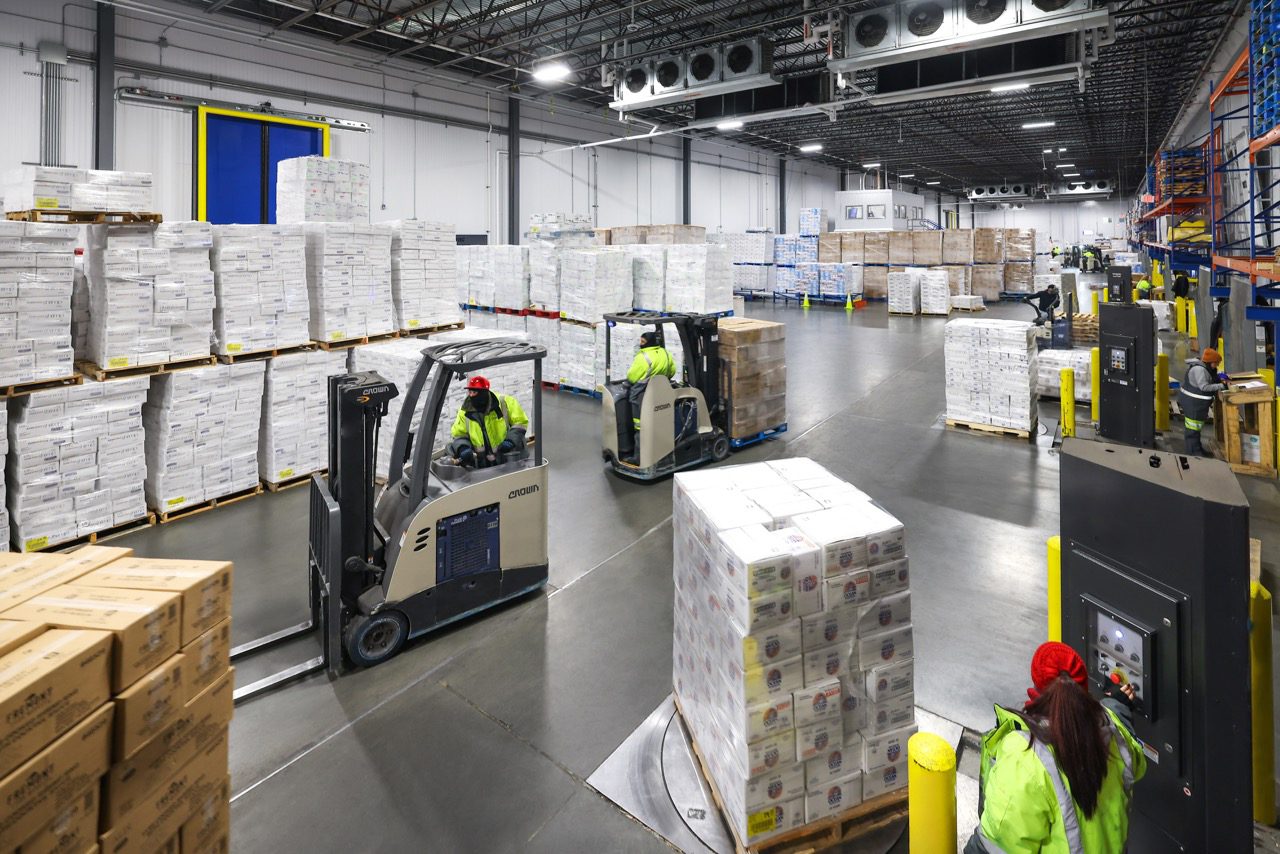
Forklifts in the Smart Cold Chain Logistics
In modern cold supply chains, forklifts are no longer isolated tools—they work together through Smart Logistics Systems.
For instance, a Warehouse Management System (WMS) tracks product movements and storage in real time. Furthermore, telematics systems installed in the forklifts provide crucial data regarding temperature, location, and performance during transit. Route optimization software plays a vital role in minimizing delays and fuel consumption.
These advanced technologies integrate to collect data from forklifts, ensuring operations remain smooth and secure.
Additionally, automation and integrated sensors help minimize risks associated with human error. Consequently, the entire supply chain becomes more efficient and reliable.
The Essential Role of Forklifts in Cold Chain Logistics
Cold chain logistics face several common challenges. For example, equipment failure can halt operations, while temperature fluctuations can spoil goods.
Moreover, poor coordination between teams or systems can lead to delays or damage. However, the use of reliable cold storage forklifts helps mitigate these risks.
These machines are designed to function in harsh conditions, ensuring operations remain consistent and uninterrupted.
Additionally, planned maintenance guarantees that all equipment is kept in optimal condition. Regular training also ensures that workers operate the equipment safely and efficiently.
Finally, real-time monitoring and alert systems provide early warnings about any malfunctions, allowing for swift corrective action.
This ensures that the cold supply chain remains stable, secure, and efficient.
Conclusion
In summary, forklifts are the most essential component in the cold storage supply chain system; they help maintain the correct temperature, minimize handling errors, and ensure timely deliveries.
This is why companies need to choose the right forklifts and implement advanced techniques to monitor and manage everything.
As the demand for cold storage and transportation grows, reliable equipment and a skilled workforce will make a significant difference, representing the best way to stay prepared and keep the supply chain running uniformly.
Would you like consultation on selecting the appropriate type of cold storage forklift, requesting a price quote, or needing detailed technical specifications? Please tell me more about your warehouse size, racking height, and required lifting capacity, and I will provide more specific advice!